
With FQC STANDARD EAC Certification
EAC certification is required for the import and sale of products within the Eurasian Economic Union, comprising the Russian Federation, Belarus, Kazakhstan, Armenia and the Kyrgyz Republic.
Page Contents
- What is an EAC certificate?
- Mandatory EAC certification and participating countries
- Export requirements with EAC certification
- Technical regulations
- EAC Certificate and EAC Declaration
Information Required for an Application
Clients applying for EAC product certification are asked to provide the following:
- Product HS/GTİP customs tariff code
- Product Identification and Description
- Product Image
- Product Catalogue
- Product User Manual
GTİP is the 12-digit Customs Tariff Statistical Position code used to identify and distinguish products in international trade and obtain detailed information about goods manufactured in different parts of the world.
What Is EAC Certification for the Eurasian Economic Union?
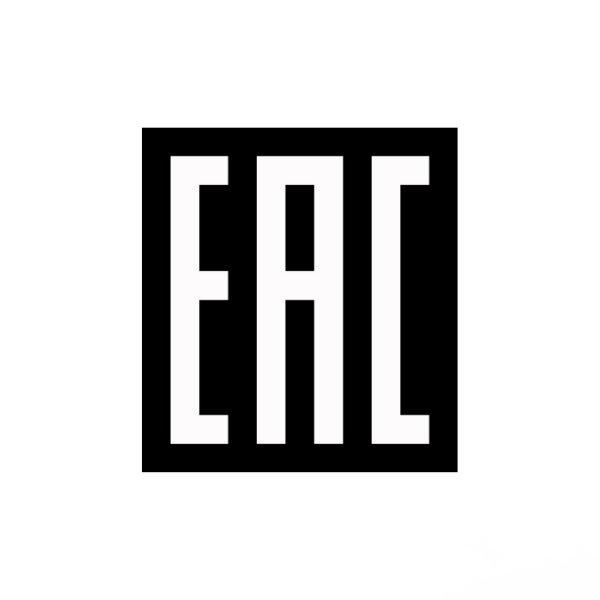
The abbreviation EAC originates from Russian usage and is used here in connection with the Eurasian Economic Union's conformity framework.
EAC certification and EAC declarations form a mandatory system applied within Belarus, Russia, Kazakhstan, Kyrgyzstan and Armenia. The system aims to improve manufacturing quality against jointly approved standards and enable products to circulate freely under a common customs procedure.
EAC documentation demonstrates that the goods or services concerned have been produced to quality, reliability, human health and environmental requirements equivalent to the relevant Russian product standards.
Mandatory EAC Certification

EAC certification was introduced under the customs system agreed between Kazakhstan, Belarus, Russia, Kyrgyzstan and Armenia to prevent bureaucratic delays in foreign trade.
The EAC certification system was approved by a Customs Commission decision in 2010. Subsequently, Decision No. 293 of the Eurasian Economic Community Commission, dated 25 December 2012, established the forms of EAC certificates and declarations used in customs procedures under the technical regulations. Implementation began on 15 February 2013.
The system applies to Russia, Kazakhstan, Belarus, Armenia and Kyrgyzstan. For products covered by Customs Union technical regulations, the Customs Commission deemed mandatory GOSTR, GOSTB and GOSTK certificates and declarations invalid after 15 March 2015.
Products previously subject to mandatory GOSTR certification moved into the EAC system when it entered into force, replacing the mandatory GOSTR requirement for those products. Some products outside that scope, such as certain construction products and rechargeable batteries, continue to be covered by voluntary GOST-R certification and cannot be issued with an EAC certificate or declaration.
Countries Where EAC Certification Is Valid
EAC documentation is required for access to the customs market of each member state: Kazakhstan, Belarus, Russia, Kyrgyzstan and Armenia.
The customs agreement aims to reduce trade barriers and the number of mandatory procedures between the five countries, making foreign trade smoother. EAC certificates and declarations are valid in each member state's territory and provide a straightforward, mandatory route to these five markets.
Russia
Belarus
Kazakhstan
Kyrgyzstan
Armenia
Export Requirements with EAC Certification
Companies holding EAC certificates and declarations can sell goods manufactured in their own country into Kazakhstan, Belarus, Russia, Kyrgyzstan and Armenia without the associated conformity barriers.
Every company exporting consumer or industrial products to Eurasian Economic Union (EAEU) member countries, including Russia, Belarus, Kazakhstan, Armenia and Kyrgyzstan, must ensure that its products meet the requirements established by the EAEU.
To export products to the Eurasian economic area, the applicable products must be covered by an EAC certificate and/or EAC declaration in accordance with the following technical regulations.
- Technical Regulation TR CU 004/2011 – Low-Voltage Equipment
- Technical Regulation TR CU 005/2011 – Packaging Products
- Technical Regulation TR CU 007/2011 – Products Intended for Children and Adolescents
- Technical Regulation TR CU 008/2011 – Toys
- Technical Regulation TR CU 009/2011 – Cosmetics and Perfumery Products
- Technical Regulation TR CU 010/2011 – Machinery and Equipment
- Technical Regulation TR CU 011/2011 – Lifts
- Technical Regulation TR CU 012/2011 – Equipment Used in Explosive ATEX Atmospheres
- Technical Regulation TR CU 013/2011 – Petrol, Diesel and Other Automotive and Aviation Fuels
- Technical Regulation TR CU 015/2011 – Grain Products
- Technical Regulation TR CU 016/2011 – Gas-Fuelled Appliances and Equipment
- Technical Regulation TR CU 017/2011 – Light Industry and Textile Products
- Technical Regulation TR CU 018/2011 – Wheeled Vehicles and Automotive Spare Parts
- Technical Regulation TR CU 019/2011 – Personal Protective and Safety Equipment
- Technical Regulation TR CU 020/2011 – Electromagnetic Compatibility of Electrical and Electronic Equipment
- Technical Regulation TR CU 021/2011 – Food Safety
- Technical Regulation TR CU 023/2011 – Fruit and Vegetable Juice Safety
- Technical Regulation TR CU 024/2011 – Oil Products
- Technical Regulation TR CU 025/2012 – Furniture Products
- Technical Regulation TR CU 027/2012 – Dietary Foods
- Technical Regulation TR CU 029/2012 – Food Additives and Flavourings
- Technical Regulation TR CU 031/2012 – Agricultural and Forestry Tractors and Trailers
- Technical Regulation TR CU 032/2013 – Pressure Equipment and Vessels
- Technical Regulation TR CU 033/2013 – Milk and Dairy Products
Types of Certification under the Regulations
The technical regulations provide for 2 types of conformity document: the EAC Certificate and the EAC Declaration. Depending on the applicable regulations, one of these documents must be obtained for each product through the appropriate accredited procedure.
EAC Certificate
An EAC Certificate records an accredited certification body's confirmation that products imported into Customs Union countries comply with the applicable legislation and technical regulations.
The certificate may cover a specified quantity of products, an individual batch, or series production for 1, 2, 3, 4 or 5 years. All issued documents are registered in the customs database, allowing anyone to verify their existence and content at customs points.
An EAC Certificate permits products to circulate freely within Customs Union member countries. Certification requires a representative company officially registered in one of the member states. This representative may be an officially registered branch or a customer purchasing the products in a member country.
- The EAC Certificate is valid throughout the Customs Union, including all member countries: Russia, Belarus, Kazakhstan, Armenia and Kyrgyzstan.
- Only accredited bodies authorised by the official authorities may carry out the certification procedure and issue the certificate.
- An EAC Certificate may be issued for a product group, subject to the selected certification scheme.
- The certificate is valid for a maximum of 5 years.
- An application for a Customs Union EAC Certificate may be made by a manufacturer, seller, or a company or individual entrepreneur registered in the Customs Union and authorised by a foreign manufacturer.
- All products subject to EAC certification whose conformity with Customs Union technical regulations has been confirmed must bear the EAC mark.
EAC Declaration
Prepared in a similar manner to an EAC Certificate, an EAC Declaration is registered in the same accreditation database and is issued for certain product groups specified in the technical regulations.
An EAC Declaration may cover a specified quantity of products, a batch, or series production for 1, 2, 3, 4 or 5 years. Sample testing and a manufacturing-site visit are not mandatory for the declaration. Annual surveillance audits or inspections are not required during the certification period.
As with EAC certificates, all issued EAC declarations are registered in the customs database, allowing anyone to verify their existence and content at customs points.
Under customs law, a manufacturer based in Türkiye, for example, must designate a local company in Russia, Kazakhstan, Belarus, Armenia or Kyrgyzstan. The EAC Certificate therefore cannot be issued directly in the foreign manufacturer's name alone.
As with the EAC certification system, an EAC Customs Declaration requires a representative company officially registered in one of the member countries.
- Like the EAC Certificate, the declaration is valid in all Customs Union member countries: Russia, Belarus, Kazakhstan, Armenia and Kyrgyzstan.
- An application for a Customs Union EAC Declaration may be made by a manufacturer, seller, or a company or individual entrepreneur registered in the Customs Union and authorised by a foreign manufacturer.
- The EAC Declaration was approved under Decision No. 293 of the Eurasian Economic Commission and is defined as a printed A4 document.
- An EAC Declaration may be issued for a product group, subject to the selected technical regulation.
- The declaration is valid for a maximum of 5 years.
- All products subject to a declaration whose conformity with Customs Union technical regulations has been confirmed must bear the EAC mark.
- The applicant manufacturer, seller or organisation authorised by a foreign manufacturer may replace the declaration procedure with certification. If a product falls within the scope of an EAC declaration but its manufacturer requests an EAC Certificate, a certificate may be issued instead.